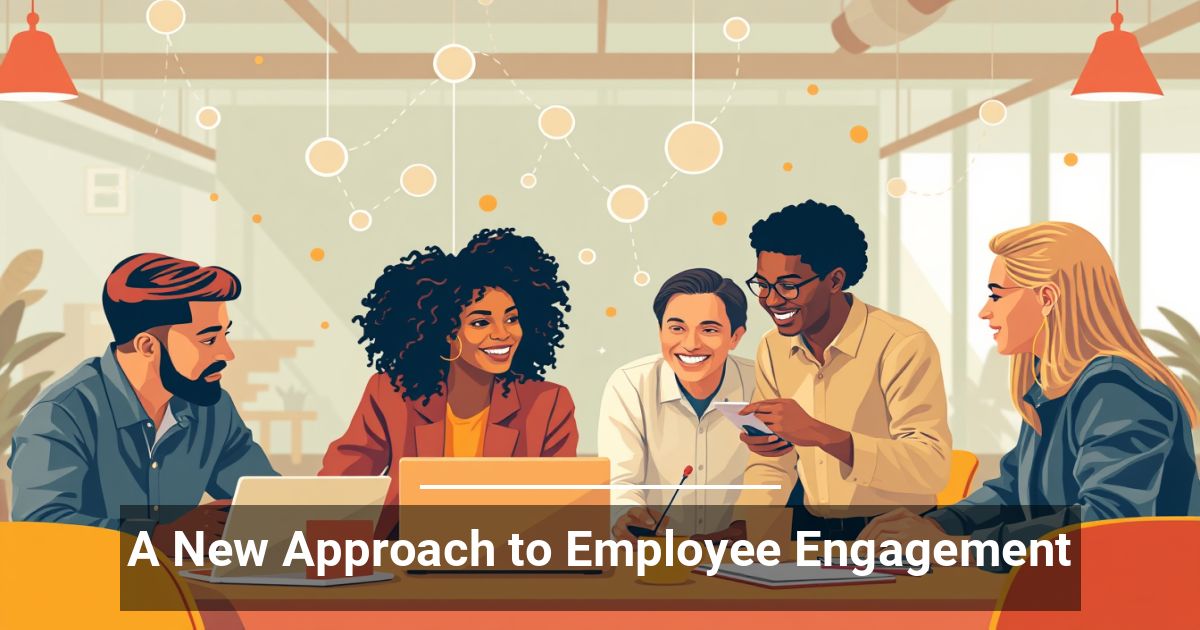
 Is your team truly invested in their work, or are they just completing tasks? Traditional incentives don't always inspire lasting commitment. Learn what modern employee engagement looks like and what it can do for your establishment.
What Is Employee Engagement?
Employee engagement is the commitment and connection an employee has toward their organization and its goals. When someone feels valued and genuinely cares about their work, they're motivated to give their best effort every day.
Engaged employees are more likely to:
- Take initiative and go beyond their basic obligations.
- Stay resilient and productive in challenging situations.
- Collaborate effectively with team members.
- Facilitate positive customer interactions.
- Stay with your company longer.
Unfortunately, workplaces around the world are feeling a bit more disconnected lately. According to Gallup's 2026 State of the Global Workplace Report, global employee engagement has dipped to just 20%. This marks the first time in over a decade that engagement has dropped for two consecutive years.
It's not just a "human resources problem" but a massive financial leak. Disengagement alone has cost the global economy an estimated $10 trillion in lost productivity, or about 9% of the global GDP.
Less Corporate Routine, More Human Connection
Today's workplaces have more ways to communicate than ever, but constant notifications, repetitive meetings, and one-way announcements often leave employees overwhelmed rather than engaged.
Workplace creativity and innovation offer an escape from that routine. Consider adopting the following employee engagement strategies.
Make Corporate Communication Worth Watching
Lengthy presentations and generic announcements will easily lose an audience. Borrow visual storytelling techniques from broadcast media to make important messages more memorable. Even smaller teams can produce professional-quality content with modern AI tools.
Give Employees Room To Experiment
In hospitality, a personalized guest experience can make a stronger impression than a standard discount. Such interactions become possible when employees have the freedom to make decisions rather than follow rigid procedures. That same autonomy can encourage initiative across other industries.
Shift to a Gamification Approach
Why not transform routine tasks or training modules into something more fun? Introduce point systems and digital badges for those who propose unique ideas or solve complex problems. Gamification boosts motivation and productivity by making everyday activities more rewarding.
Turn Feedback Into Real Conversations
Employee feedback and communication shouldn't end with annual surveys. Regular conversations should give workers a genuine say in workplace decisions, with clear explanations about which suggestions the business can implement and why.
Measure Engagement Beyond Attendance
Digital analytics offer useful insight into how well your internal communications resonate with employees. Evaluate your engagement initiatives through measurable indicators, such as:
- Participation in interactive meetings
- Employee feedback and survey responses
- Engagement with internal communications
- Training completion and knowledge retention
- Employee retention trends
Rethinking the Employee Experience
Creativity alone won't solve declining employee engagement. Without employee recognition and appreciation, demanding more innovation may only add pressure. Instead, build a positive workplace culture rooted in trust and flexibility, where people feel supported, valued, and connected to a greater purpose.